

When Exaggeration Is the Ethos
Through exaggerated fashion and marketing, Street Grandma’s founders help the brand navigate today’s “cool recession.”

I’m Chris, writer here at The So What and head of creative and story at Artemis Ward. Every month or so I sit down with somebody who has a finger on the pulse of culture, creativity, and brand — and together, in five questions + five answers, we try to understand what it all means. Read on for “the so what” of the cool recession.
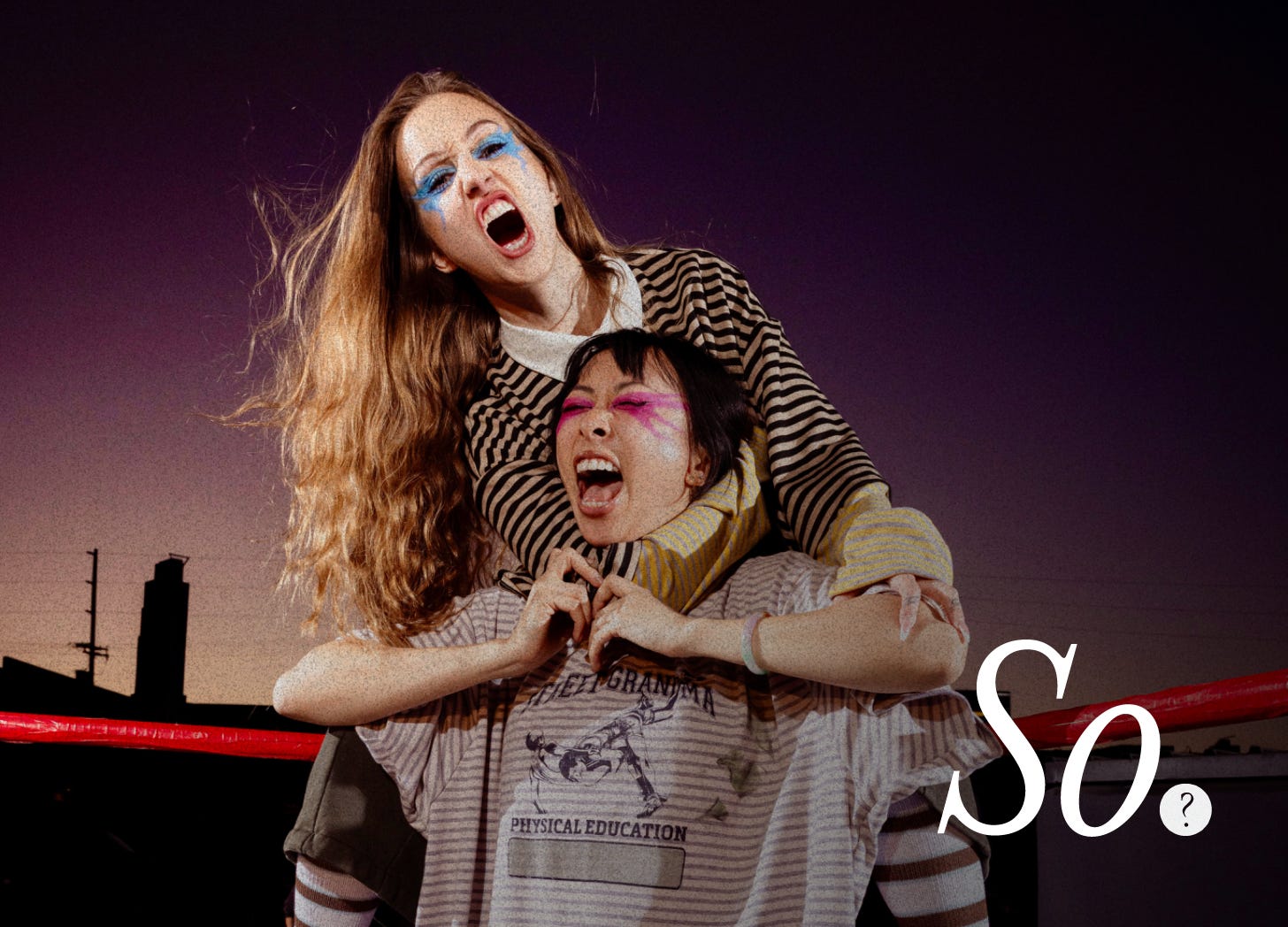
Devin Perry and Andrea Cheung met in San Gabriel, Calif., when they were in sixth grade — and they’ve been at each other’s side ever since. Twenty-year friendships like this can breed many things: trust, familiarity, endless stories — and peculiarly similar sensibilities. For Devin and Andrea, this has all been true. But unlike most people, they’ve taken their friendship and turned it into a rising brand in the world of fashion. That brand is called Street Grandma.
Founded in 2020, Street Grandma is an independent streetwear label headquartered in L.A. and emanating directly from its founders’ shared perspectives on fashion (and the world) that they’ve been honing — consciously or not — for a few decades now. Specializing in what they call “exaggerated silhouettes,” Devin and Andrea design and produce oversized clothing for women that combines unique and imaginative designs with an unwavering commitment to comfort. “At our core, we just kind of want to be comfortable,” Andrea tells me.
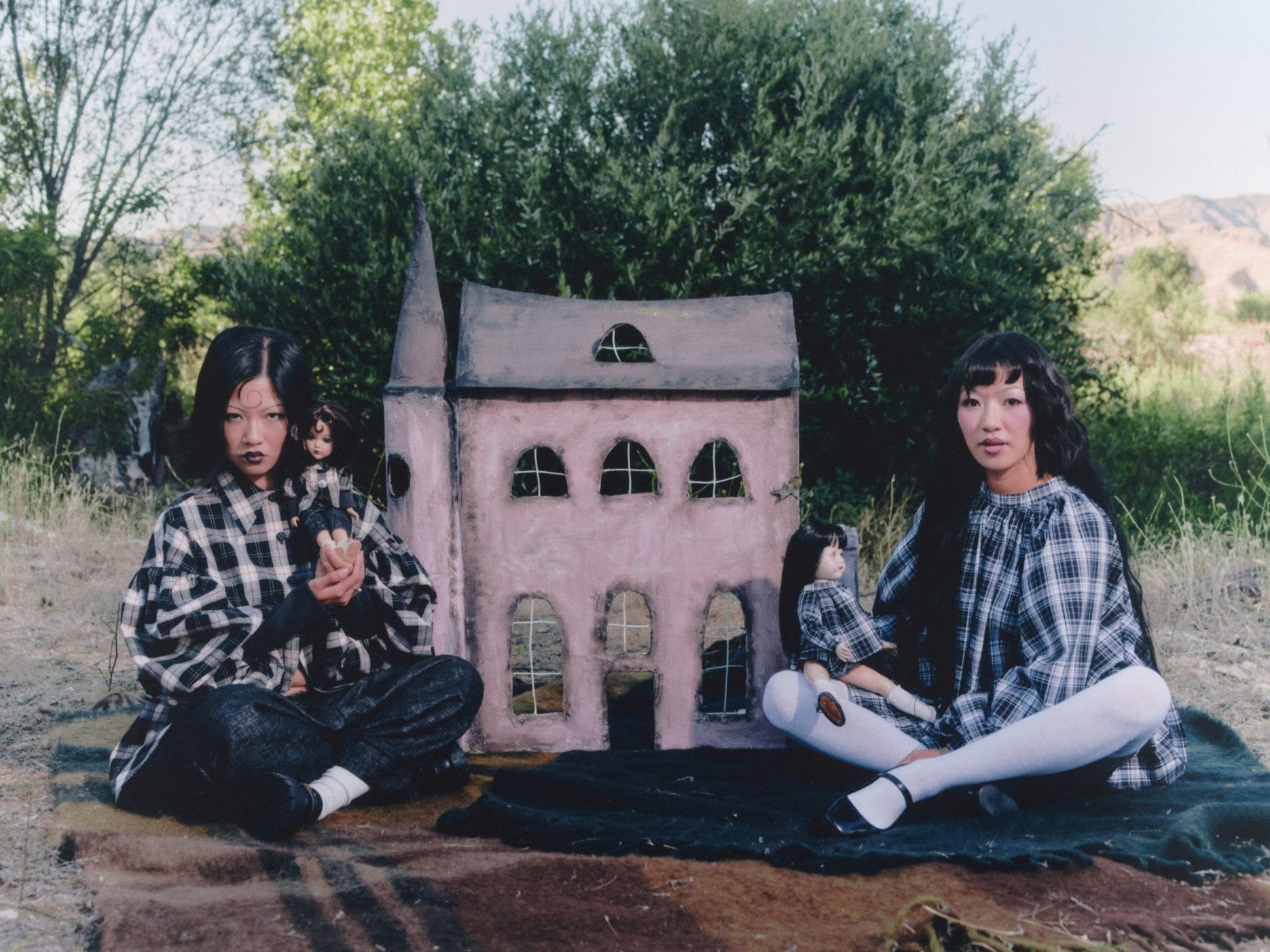
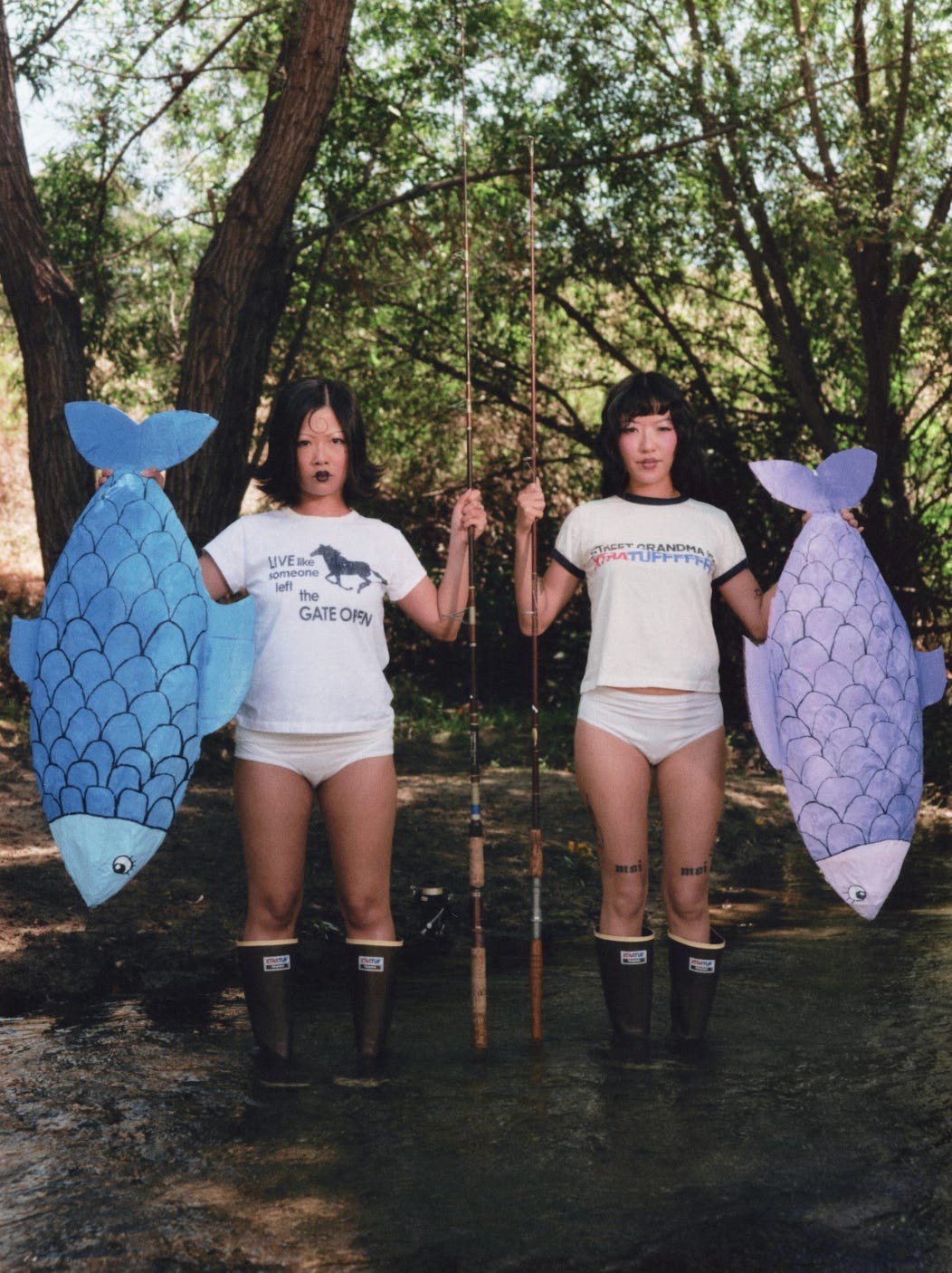
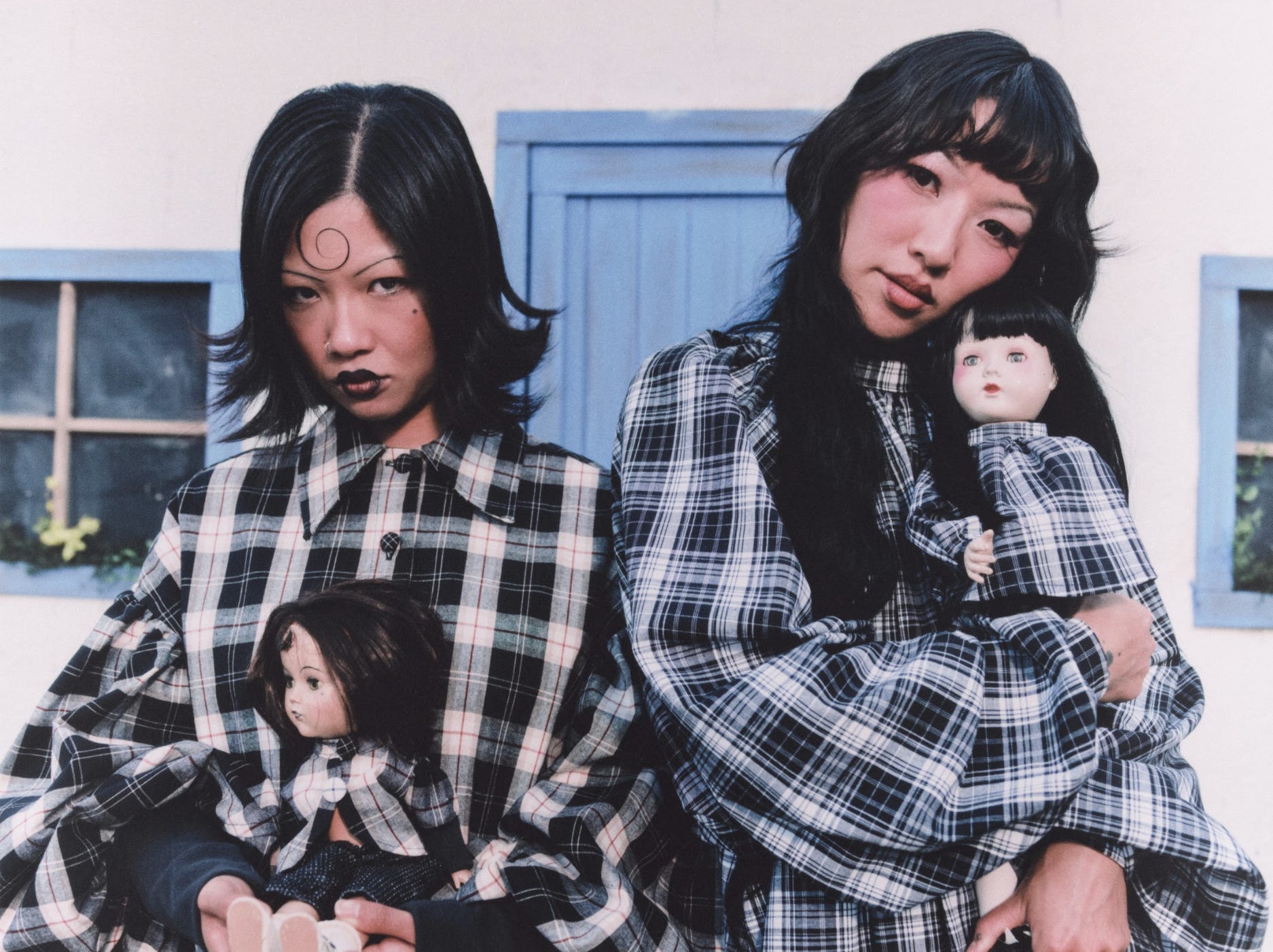
But Street Grandma is more than just clothing — and this is what has allowed the brand to both stand out and stand the test of time (six years of time and going). As the Los Angeles Times puts it, “For Street Grandma, oversized is a lifestyle, not a trend.” This translates into marketing strategies rooted in a shared love of otherworldly storytelling (like Little Women-inspired clothing and photo shoots), wild immersive events (like a fashion-inspired wrestling night with emo vibes), and riotous collections of memes borrowed from far and wide (like A Bug’s Life + young Elijah Woods + a 400-year-old rat plague + more) that spotlight a one-of-a-kind POV at work.
In today’s non-stop world of fashion, breaking through can seem nearly impossible. I caught up with Devin and Andrea to talk about what makes the Street Grandma brand tick and how they successfully chase timelessness in an industry driven by trends.
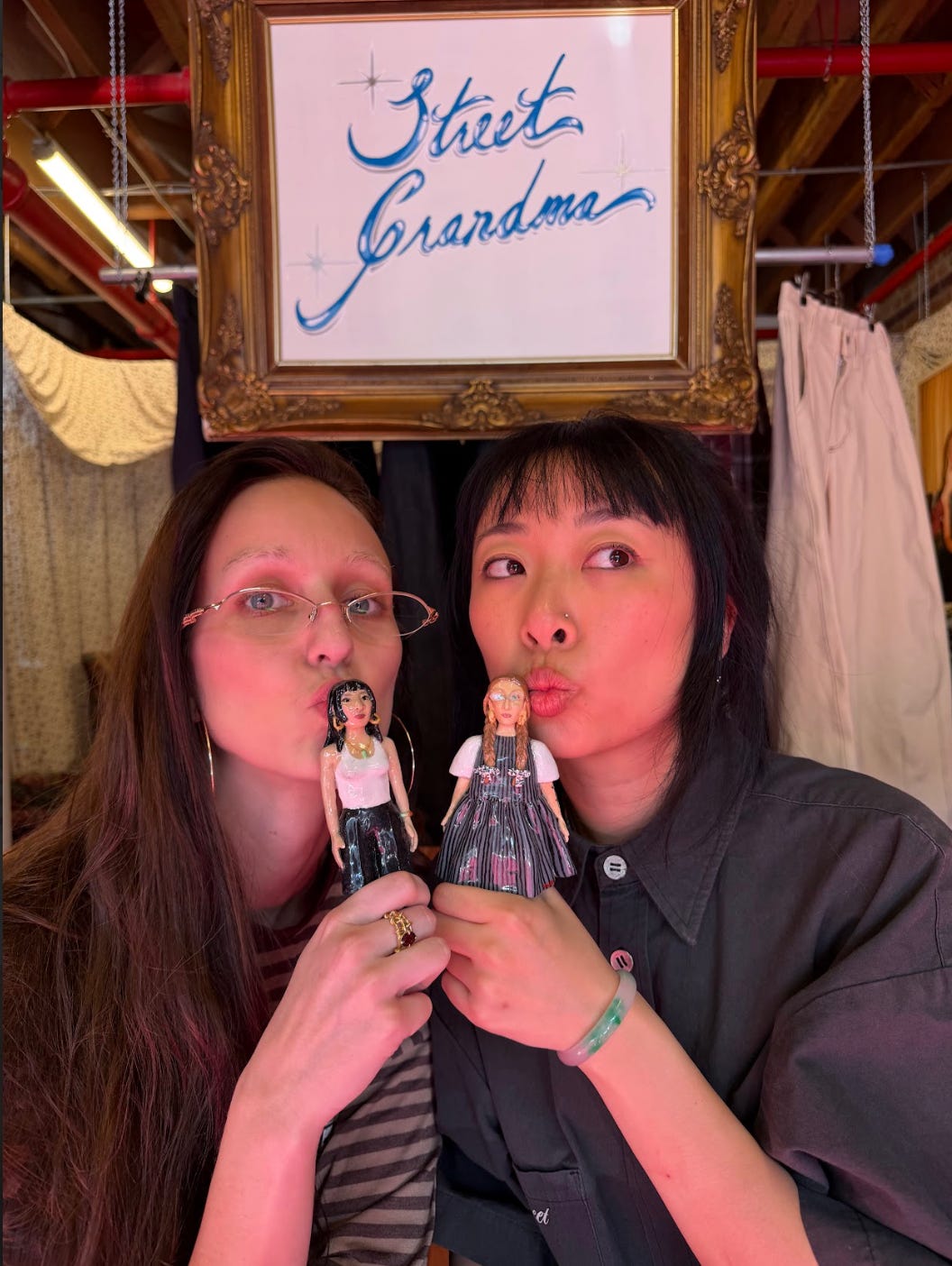
In an interview back in 2021 — not long after Street Grandma was born — you talked about standing up a company that’s about more than just products, but that’s actually a platform to showcase the people who wear your clothes. Five years later, how has this ambition shaped your approach to building Street Grandma’s brand?
STREET GRANDMA: DEVIN
We intuited from the beginning that it was not only about the clothes. It was about the style that we loved — about women’s style — and this gap in the market that we felt like we were really searching for. And so, we realized that not only did we want to provide those clothes for ourselves, but we also wanted to connect with the other women who want these clothes, too, and see what happens. Which is to say that our approach has been to market both the clothes themselves and the mindset behind the clothes.
And I feel a real sense of gratitude for how fun it’s been getting to really engage with those people, to connect with women that feel like us, who are kind of tomboyish, but also incredibly girly. For us that has meant trying to connect with them emotionally while also communicating: Hey, you might also like these kinds of clothes, because you’re tapped into culture in the same way we are.
Given that approach, in what ways do those people become part of the Street Grandma brand story?
STREET GRANDMA: ANDREA
When we first started, there was this person that we always described to ourselves as “Street Grandma.” And we did so many exercises about who that person was until we started calling all those girls we wanted to reach “street grandmas.” It became an actual noun. And we could see who those girls were so clearly. It’s like this roster of girls who represent a particular style and attitude. And throughout the years, as we’ve gotten closer and closer to Street Grandma [the persona], it’s just become much more clear who street grandmas are. Very free, very funny, but kind of sensitive….
STREET GRANDMA: DEVIN
And she’s also interested in the culture, interested in fashion, tapped into it, but in a way that’s accessible, not pretentious, not unkind, not mysterious — but also not uncool. Still cool!
We love fashion, but we also really hate feeling excluded or uncomfortable in retail settings, at events. We try to find people that feel this way, too.
You have an L.A. showroom, but it’s not a brick-and-mortar shop that’s open all the time, and you’re not sold through other retailers. Most of your sales appear to be direct-to-consumer online. Given your identity as an independent, niche brand, how do you successfully market yourselves to that specific audience you’re after?
STREET GRANDMA: DEVIN
Most of our marketing is through Instagram and TikTok, and we show up through a combination of photos of products, photos of people in the products, and memes. We want our photoshoots to feel fun and to create a story that draws people in. The objective needs to be more than to just feel cool. We’re interested in creating a story for people to follow — one that really connects with our customers and connects to us.
STREET GRANDMA: ANDREA
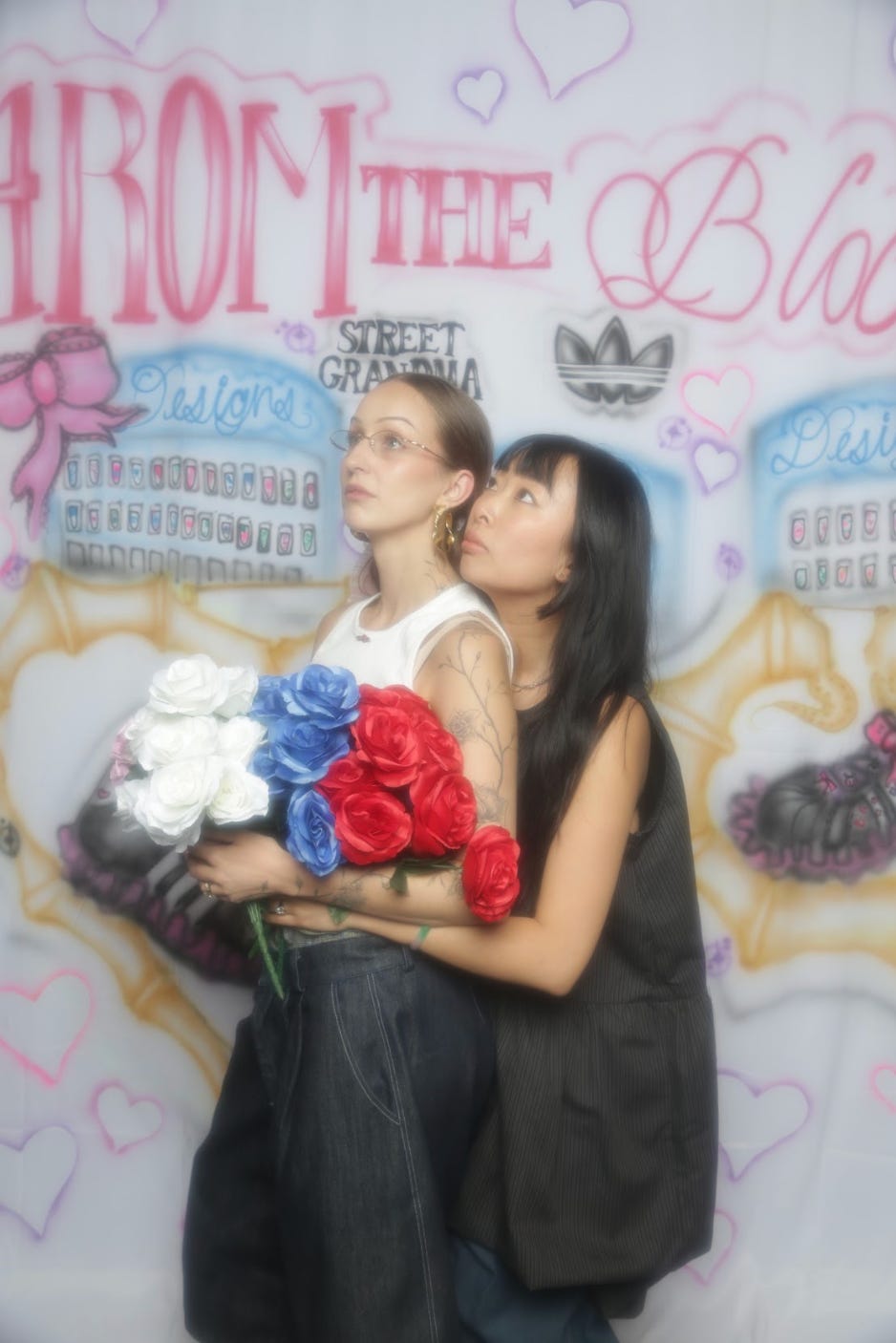
The other thing that has been really successful for us is marketing the brand as Devin and me — us, as people. We don’t want to be influencers, but we have to be part of the story. I think a lot of people are really interested in the process behind the business. When we started [back in 2020] we were like: Okay, we have enough figured out, we know what we’re talking about, but we also know there’s a lot of room to grow. People want to see that trajectory. And people have really connected with us as two girls who are absolutely bootstrapped — like, no outside resources, no investors, just trying to make this thing work, doing everything that we can, you know? And people are invested. For the people that like Street Grandma, I think part of it is definitely the clothes, the photo shoots, and all that stuff, but I also think that they like the story about the two of us trying to be an independent brand in L.A. People want to do that themselves, which is why they want to follow along.
This seems like a founder-friendly moment we’re in right now. People want to identify with brands, which means they want a sense of the people behind the brand. And they’re also interested in how the brand operates behind the scenes — how you manufacture, how you produce the stuff that you produce. From the beginning, you’ve had a real focus on sustainability and making sure that things are ethically sourced and produced. How do you see those values playing into your public-facing brand story?
STREET GRANDMA: ANDREA
The finished product is what most people see, but I think people have become really interested in the back of house, too. They think it’s really cool that we’re right there making everything. We actually have this series on Instagram that takes you behind the scenes, and it’s been really fun to bring that lens into the showroom.
To answer your question, the sustainability part is a big pillar in terms of how we operate, but I don’t know if it’s a big part of the brand story. What do you think, Devin?
STREET GRANDMA: DEVIN
I think when we started, it was one of the most talked about pillars of the brand, and that was because it was part of the foundation we’re built on. Andrea had just finished her master’s in environmental science, and we were like: We can’t compromise on this. We’re not making something if we’re going to pollute the earth. So, it was something we talked about a lot initially. But now it almost feels common to care about these things, like it’s almost assumed.
STREET GRANDMA: ANDREA
And we’ve never felt the need to really turn these into talking points. These are the things we just felt like we’re supposed to be doing, so they’re operating values.
To state the obvious, you’re working in fashion. It’s a fast-paced industry. And because it’s so fast-moving, I’d imagine it can be easy to lose your sense of self as you chase trends and ever-changing market appetites. How do you avoid that trap and allow yourselves to stay focused on who you are and what you’re doing?
STREET GRANDMA: DEVIN
I love this question, because this is what made me want Street Grandma to exist in the first place. There’s so much about our style that’s in our name — Street Grandma — and we can’t really stray from that. We’re not chasing trends. We’re in an area of style that we felt was missing, and that’s created this really clear North Star that we always return to. Sure, the exact interpretation of those two words [Street Grandma] has changed and shifted a little over the years. But from the beginning, we’ve always been very interested in exaggerated silhouettes. And that’s given us space to be interested in [the act of] exaggerating things — things that can feel different, things that can exist in unexpected contexts.
STREET GRANDMA: ANDREA
And while we love the exaggerated, we’re also two people that hate any type of fussy things. Everything that stands the test of time always ends up being functional and comfortable. We talk about this all the time when we’re in the design process. This looks really good and we look fabulous and we’re really happy about that, but is this gonna make me want to rip my skin off? That’s the measure of success. I just can’t be choked by my clothes. I can’t be itchy. And ultimately, that does help with the trend chasing, you know? At our core, we just kind of want to be comfortable.
The So What
Given that, I’m wondering what you make of what fashion designer Anna Sui has said: “To me, fashion is like a mirror. It’s a reflection of the times. And if it doesn’t reflect the times, it’s not fashion.” What are your thoughts on that? And in what ways would you say Street Grandma reflects the cultural moment we’re living in right now?
STREET GRANDMA: ANDREA
I think it can be hard to pinpoint how we’re reflecting a cultural moment, because culture is so fragmented. When I was younger, it felt like everybody was watching the same show, like there was so much more unity in everything that we were consuming. But now it moves so fast. Everybody has their own algorithm. Nobody is really on the same page.
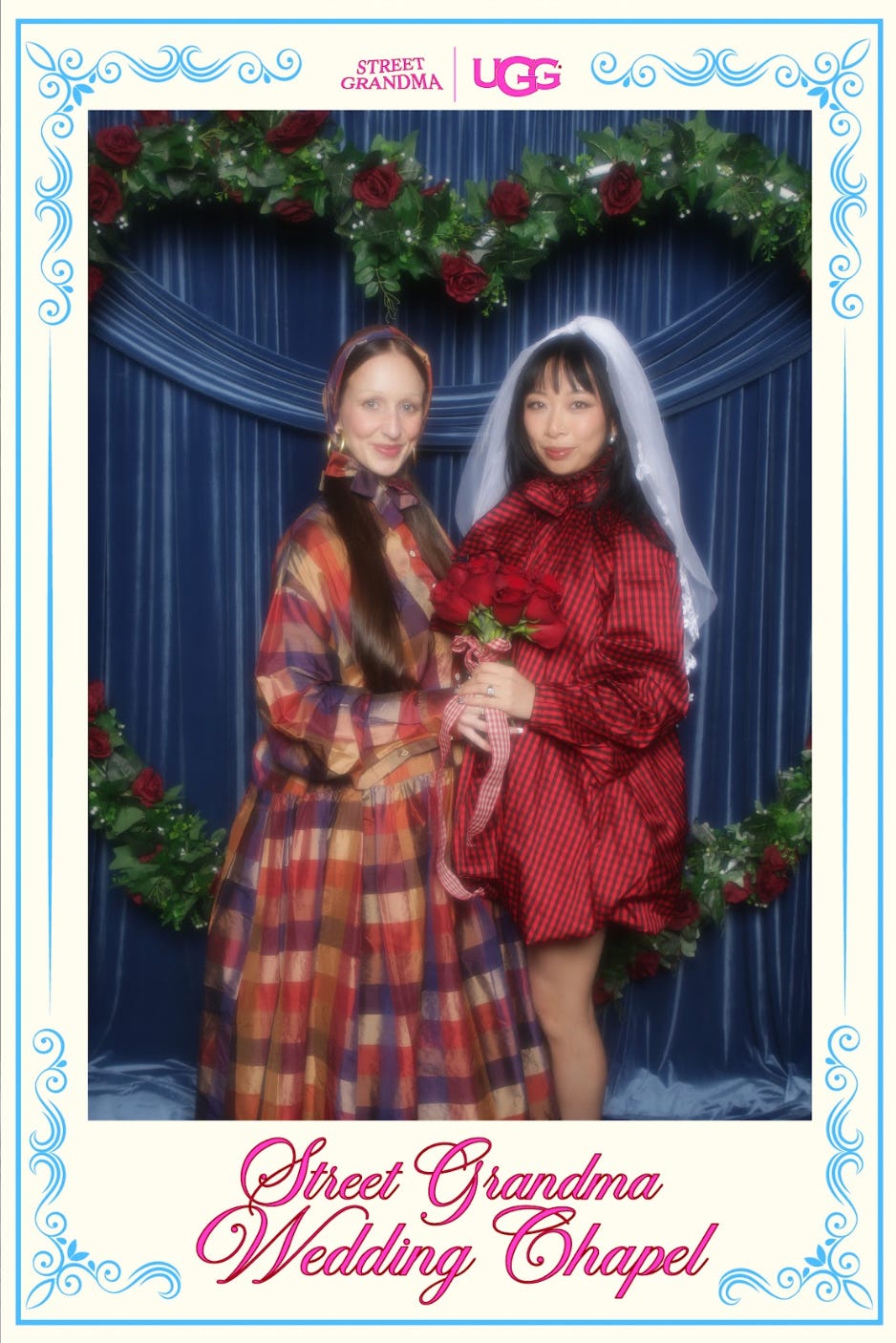
So, for us, we’ve been trying to create a more insulated space, where we do stories that are very, very specific. They are stuck in a moment of time, and they don’t move outside of this time. We try to take people back to a specific feeling of nostalgia or memory, to a specific kind of world, and fully immerse everybody in it. Last year, for instance, when we were doing our wedding collection, we imagined a very specific, fake wedding, and we said we’re not using any kind of language or any visuals that are outside of that wedding world. We want to give people a place to stand still for a minute and enjoy themselves.
STREET GRANDMA: DEVIN
Caleb Hearon, the comedian, had this great quote that I can’t stop thinking about: “I do think that we’re in a cool recession. There’s too many people trying to do things they think are cool. More people need to do what they want to do and then tell us why it’s cool.” If we’re just trying to reflect what the culture is, then we’re only getting this really diluted version of cool. So, we never forget to keep looking at each other and asking: What do you think is cool? What do you think is cool? We would rather spend time convincing people that what we’ve decided is cool is actually cool than always chasing culture and just becoming some diluted version of what everyone else is already doing.
📲 Follow Street Grandma on Instagram and TikTok to keep up with the latest.
✉️ And, if you haven’t yet subscribed, click the button below so you don’t miss the next one with Olivia DuCharme.
Read more from Chris:


And don’t miss last week’s post from Colin:
