

Stop Cooking, Start Hosting
A lesson on being a durable brand.

Hey there — I’m Colin, writer at The So What and co-founder and CEO of Artemis Ward. Welcome to my column, where I write about brand strategy and adaptability. Read on for the “so what” worth paying attention to.

Refilling someone’s wine glass at the exact moment they reach for it. Welcoming a quiet guest into a conversation she’s been hovering on the edge of. Making four-course meals appear out of thin air. We all know the perfect dinner party host when we meet one — the dexterity and generosity that look almost otherworldly, even when we know the real trick is that they cared enough to pay attention.
This is the point in the story where I admit that I got something wrong in my last piece, Brain Rot Dropout Club. Or at least I got the vantage point wrong. My premise was that we need to serve our audiences a consistent and steady diet of high-quality content to be effective. I got the role wrong. The brand isn’t the chef; it’s the host.
Creating durable brands in this day and age isn’t about cooking constantly, serving too soon, and obsessing over how much was eaten. Yes, the quality of what you serve matters, but so does the kind of room you are creating. The buffet line that most brands are creating may feed our algorithms and drive attention, but it doesn’t necessarily build durability. Durable brands are like a dinner party: fewer dishes, more intention, and a reason to stay.
A durable brand is one that doesn’t have to keep reintroducing itself. It builds rather than refreshes — it gets more recognizable, more trusted and more itself the longer it stays in the conversation.
A recent example that brings this home beautifully is Rachel Karten’s interview with FIGS CMO Bené Eaton on the role of social media in their brand. FIGS makes medical uniforms. Oh, and a tux for Noah Wyle, actor in medical dramas like The Pitt and ER, for the Emmy Awards.
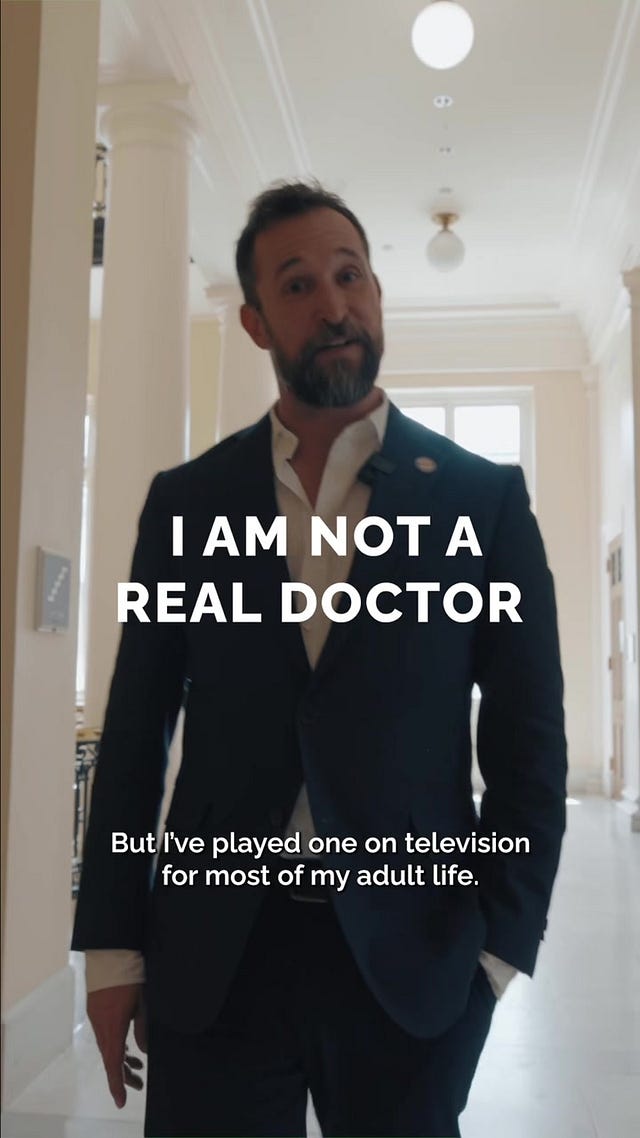
 Tiktok failed to load.
Enable 3rd party cookies or use another browser
Everything FIGS does “is about telling the story of the people who are wearing FIGS.” This, to me, was the pivotal line from the interview: “Social is where we listen, learn, and reflect our community back to itself.” The best listeners are the best hosts. And in a world where we are tired of being marketed to, it’s refreshing to be invited in. Another brand that takes this concept to the logical extreme is fashion brand Aimé Leon Dore, who has famously created a “neighborhood as brand world” in their native Queens, N.Y. — where they utilize “friends and family” casting for their content and even have a real table in their café.
There’s another morsel in the FIGS story that stands out. Eaton credits FIGS’ in-house team for much of their success due to their proximity to the work. I’d push back gently and say proximity isn’t the dominant variable. It’s familiarity. A consistent team, either in-house or out, that takes the time to listen and learn and truly get to know your audience can accomplish what churn or deaf ears can’t. Cycling through people or agencies and brand new campaigns creates breaks in the conversation and more work for your audience.
A durable brand is a dialogic brand. One that keeps meaningful conversations going with their audiences over time, so familiarity and connection build instead of resetting each quarter. Brand affinity is born from the discipline to stay in the conversation with a known audience for long enough that they see themselves in it. As Priya Parker, the author of The Art of Gathering, writes, “A gathering run on generous authority is run with a strong, confident hand, but it is run selflessly, for the sake of others.” That’s the move we should all aspire to.

The algorithms and the metrics tend to reward those that talk the loudest. But nobody wants to be cornered by the loudest person at the dinner party. We want to be at a party with a good host who creates an environment where everyone feels represented in the conversation. This requires a strong sense of self, patience, and trust in your audience. But the rewards are worth it, because the brands that figure this out will be the places where audiences feel comfortable pulling up a chair and staying a while.
✉️ If you haven’t yet subscribed, hit that button below so you don’t miss the next one with Chris Maier.
Read more from Colin:


And don’t miss last week’s post from Quinten:
