

Narration Is Killing Your Content
It’s time to start talking with — not at — our audiences.

Hey there — I'm Colin, co-founder and CEO of Artemis Ward. In my monthly column, EchoProof, I cover the shifting media terrain, human identity, and communication through the lens of algorithmic complexity, AI transformation, and cultural adaptability. This month’s topic: visual storytelling.
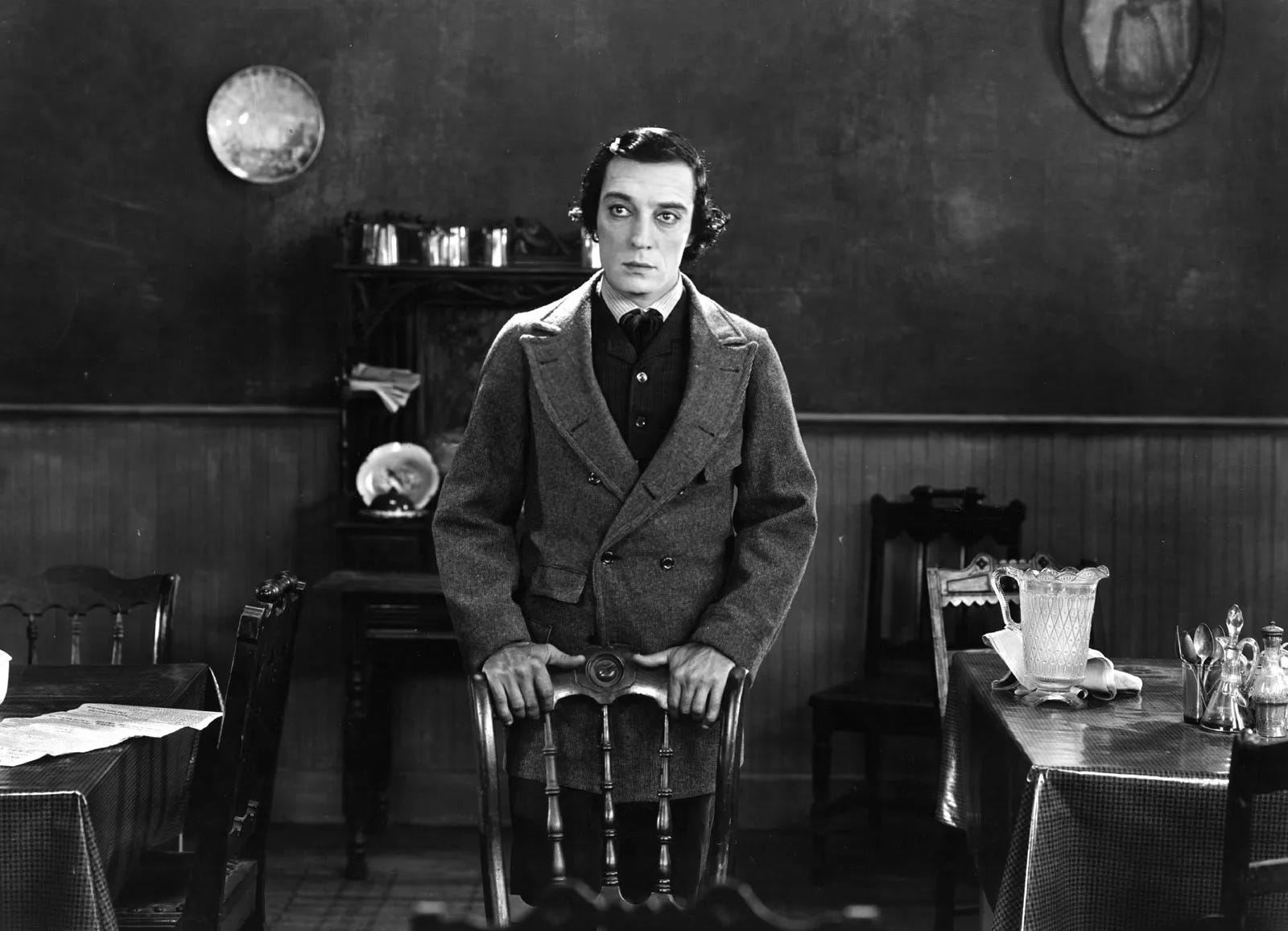
In the early twentieth century, audiences flocked to a brand-new form of storytelling: the silent movie. It was a moment of technological upheaval, and both creators and audiences had to adapt to a different way of telling stories. Without audible dialogue or sound effects, filmmakers relied on narrative techniques like movement, pacing, and quick-cut editing to advance the plot and to evoke emotion and understanding.
Sound familiar? Those same editing styles — non-verbal cues, gestures, jump cuts — dominate today's most engaging content. The platforms that audiences frequent have essentially recreated the constraints of silent cinema: tell your story fast, tell it visually, and trust your audience to follow along.
Both during the time of silent movies and today, audiences have what you could call kinetic literacy — the ability to follow a narrative without being told every detail. In other words, viewers can read meaning in the glance before a spoken word, a sudden pan to an unexpected object, or the way a scene cuts mid-sentence. Audiences use visuals to piece the story together themselves, and in most cases, they prefer it.
Yet despite audiences' proven ability to decode meaning without explanation, much of brand content still leans on a decades-old formula: the belief that narration can control what audiences think and how they act. Today’s visually native viewers don’t need — or want — that kind of hand-holding.
Think about the difference between content where someone asks another person a question and gets an answer, versus one where a voiceover interjects, "Now, they're asking their friend a question." The first feels like you've walked into an actual conversation; the second keeps you at arm's length. That gap — the space between what’s shown and what’s explained — is where audiences decide whether to engage.
“In the silent pictures, the actor is in the audience’s presence, like in the theater. With sound, he becomes remote.” - Buster Keaton
The So What
When you stop narrating every moment, you create room for the audience to participate. The absence of constant explanation invites people to fill in the blanks, which in turn makes them more invested in what they’re watching. It’s speaking with the audience, not at them.
Right now, the competition for attention has never been fiercer, and algorithms reward content that hooks instantly without sacrificing clarity. Over-narrating not only slows you down — it signals you don’t trust your audience to keep up. And if you don’t trust them, they won’t stick around.
So let’s trust them. Let the camera do the talking. Cut the voiceover that explains what we can already see. Make content that lets audiences do what they do best: step into it and make it their own.
✉️ If you haven’t yet subscribed, click the button below so you don’t miss the next one: another round of IQ, UA with Chris Maier and Jess Schreibstein.
 |
|