


Welcome to The So What, a newsletter decoding cultural moments, why they matter, and what brands should do next. The So What comes to you from Artemis Ward, an independent creative agency in DC and NYC. I’m Ryan Weicht, director of strategy.
Read on for the “so what” of why everyone is getting Gen Alpha wrong.
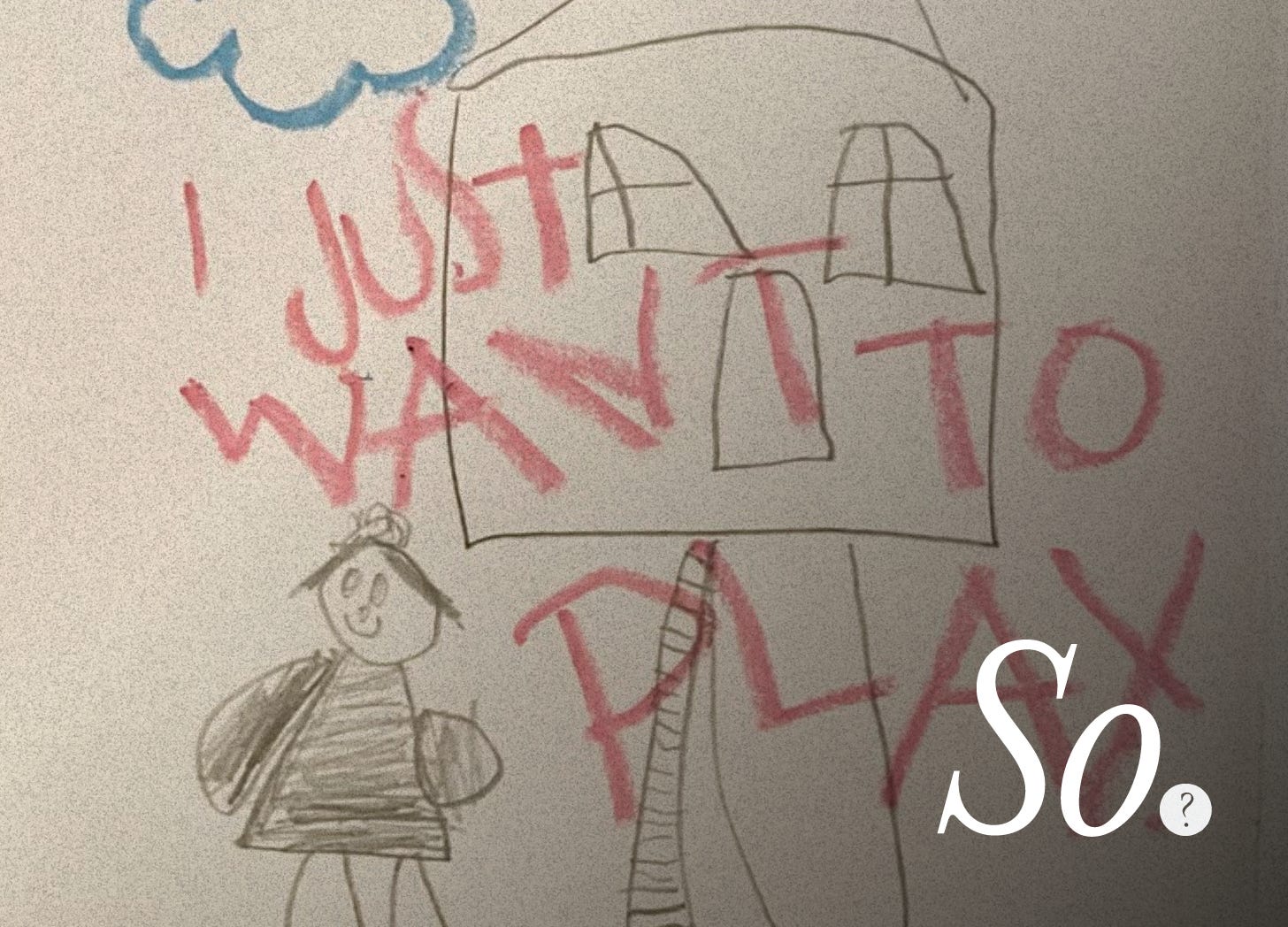
When I was growing up, there was a stretch where it felt like every publication on earth was explaining me and my Gen Z friends to all the adults in the room: we didn’t talk on the phone. We were fluent in technology and illiterate in everything else. We were anxious, we were entitled, we were going to ruin brunch, the workplace, and also probably marriage. We were, by most accounts, unequipped to actually think, comment about, or otherwise contemplate our own state of existence or what we could or couldn’t handle. I remember reading and hearing all of these headlines and studies and feeling the frustration of being described inaccurately by someone who was, by all accounts, very sure of themselves. Only in young adult literature (shoutout to my local library! 💖), such as my much beloved Percy Jackson books, could I actually see myself — someone curious with real thoughts, who knew real things, and who could be bold and adventurous and complicated as a person.
And I think, as we’ve gotten older, we’ve realized that a lot of that Gen Z-headline fluff was wrong. Gen Z (and for that matter, millennials, Gen X, and everyone else before them) grew up and started companies and raised money and reshaped whole industries. And, accordingly, the “lazy” and “cringe” Gen Z headlines became yet another example of how we continuously haze our little brother generations while resenting those who came before us.
So, naturally, we’re doing it again with Gen Alpha.
The Coverage Conundrum
Right now, it seems there are only two ways to write about Gen Alpha. Almost everything anyone publishes falls into one of these two categories:
Doom. Think screen time, brain rot, iPad kids, attention spans in freefall, the algorithm raising a generation that can’t read a paragraph. Some of these phenomena are well-documented and worth taking seriously, but many also extend to broader problems that aren’t isolated to a single generation. More often than not, many of these articles are just the same old new-generation anxiety we’ve applied to every new cohort since TVs were invented.
Marketing inventory. Two billion of them by the time they’re all born. The largest generation in history. Hundreds of billions in influenced household spending. Trillions in projected purchasing power by 2029. These are the types of figures that made me feel like I wasn’t a living, thinking person when I was a child. They don’t describe the complexities of youth and all of the possibilities and worries and fears and excitement ahead of today’s kids, but instead just explain the next market that hasn’t opened yet — like a real estate broker describing a building that’s still a hole in the ground.
I’d contend that what both of these angles lack is anybody actually paying attention to what Gen Alpha has to say (probably because Gen Alpha doesn’t really have money yet). Sure, they influence spending, but influence isn’t income, and most purchases still run through a parent. So naturally, the research budget goes where the wallets are, which is the 18-to-30 bracket, which is Gen Z, who we are now constantly re-explaining and re-imagining as the changing world impacts the way they spend. And while there are no shortage of articles that explain “the five Gen Alpha trends that parents MUST know” or “fifteen mistakes that marketers will make about Gen Alpha,” very few actually talk about the day-to-day lives, pressures, excitements, icons, and popular platforms that drive these people. These things live, first and foremost, in the actual testimonies of Gen Alpha, alongside interviews with teachers, comments on TikTok Live and Twitch, interactions on Roblox, and the other places where Gen Alpha hangs out. But who has time to look into those things when the money isn’t there yet? Why discover what Gen Alpha is actually like as long as we can keep predicting what they might be worth?
Actually Looking
Last summer, The So What’s own Olivia DuCharme actually looked at Gen Alpha when she wrote about aura farming. She didn’t use broad generational trend reports and boring lists about the monolith of America’s youth. She started in the comments of a video that had kicked off a phenomenon across schools, sports, social media, and everywhere in between, noticed that the phrase “aura farming” kept showing up in the comments and stitches, and followed the rabbit hole from there. In that actual on-platform sleuthing, she pulled out valuable maxims that actually came from the brains of Gen Alpha: coolness is a grind, visible effort is the fastest route to cringe, and that more and more, younger people have a fine-grained radar for the difference between doing something well and doing something just for clout. That insight comes from paying attention to specific people doing specific things, which is slow, but actually teaches you a lot more about people.
And these kids are not hiding from us. Often, they’re more than happy to share their opinion if you actually let them. Look at Roblox, where kids aren’t just playing games, but making them — writing the code, designing the worlds, and inventing new ways to interact. A ten-year-old runs a storefront inside Bloxburg, working on merchandising, pricing, and customer retention, and he has opinions about all three. Similar stories play out on Minecraft servers and Discord communities, where the moderation structures kids build for themselves are often more thoughtful than what most brands offer in their own comment sections. The material to know Gen Alpha right there in enormous volume, but sadly, it’s mostly unexamined by anyone who isn’t trying to sell them a serum.

The So What
For a long time, “Gen Alpha” has been a broad term that marketers use for really young screenagers, who are basically just a more intense Gen Z. And it has functioned very similarly to how we use the term “Gen Pop” — by not functioning at all. Depending on which research firm you’re reading, the Gen Alpha bucket starts in 2010 or 2012 or 2013 and extends to last year(ish?), which means it currently holds both a first grader and someone studying for a driver’s test. One brief for both of them is one brief for neither.
So before your next brief goes out with a “Gen” or a Greek letter in the audience line, ask yourself two questions. How old is the person you’re talking to, specifically? And what do they actually want (and think) about your industry, your message, and your market?
Any brief that can’t answers those questions is describing people who don’t actually exist. And speaking from experience: Gen Alpha is paying attention more than you think, and they’ll remember who got it right.


