

Is Anyone Really Going Offline?
The internet’s latest obsession — embracing analog — might just be a performance. And maybe that’s okay.

Hi everyone, welcome back! It’s time to celebrate because we’ve finally made it through the January Doldrums! In case you’re new here, I’m Olivia, director of content at Artemis Ward and your guide for this monthly column, where we dive into the deeper shifts behind viral moments and what they mean for us. Let’s take the plunge.
Last week, my colleague (and fellow So What writer!) Quinten Rosborough sent me an article from Wired about the Offline Club, a phone-free hangout that started in the Netherlands in 2021 and has since expanded to 19 cities across Europe, mostly by way of London, where events have been selling out regularly since last summer. The premise is simple enough: you show up, hand over your phone, and for two hours — an hour of silence, an hour of conversation — you just…exist. According to the article, some people color. Others do puzzles. Still others sit and watch fellow members sip herbal tea beneath soft fluorescent lights, surrounded by concrete walls and ficus plants. The cost of attending a meeting like this is the equivalent of $17, which, depending on your income bracket, is either the best or most absurd $17 you’ve ever spent.
The article reminded me of a Dazed piece I’d read last September about students in Britain who’ve gone, as one of them puts it, “full analogue” (don’t you just love British spelling?). These students, faced with the formidable foes of artificial intelligence, brainrot, and shortened attention spans, have decided to handwrite their notes — even their papers (gasp!) — by hand. One Cambridge student stopped using his laptop entirely, the article reports, entering the library with “nothing but his pen and paper” and only leaving when his work was finished. “Then I’m free to doomscroll Instagram on my phone without any guilt,” he says. (That last part is important; I’ll come back to it.)
Another classics student at the University of Edinburgh bought a typewriter from a local charity shop to type her essays — and she gets “funny looks” when she hands them in. “I guess I’m the closest thing there is to a modern-day luddite,” she told Dazed. (As a former classics student myself, I feel fully qualified to poke fun at this…of course it’s a cLaSsIcS student toting around a typewriter and calling herself a luddite. Good grief.)
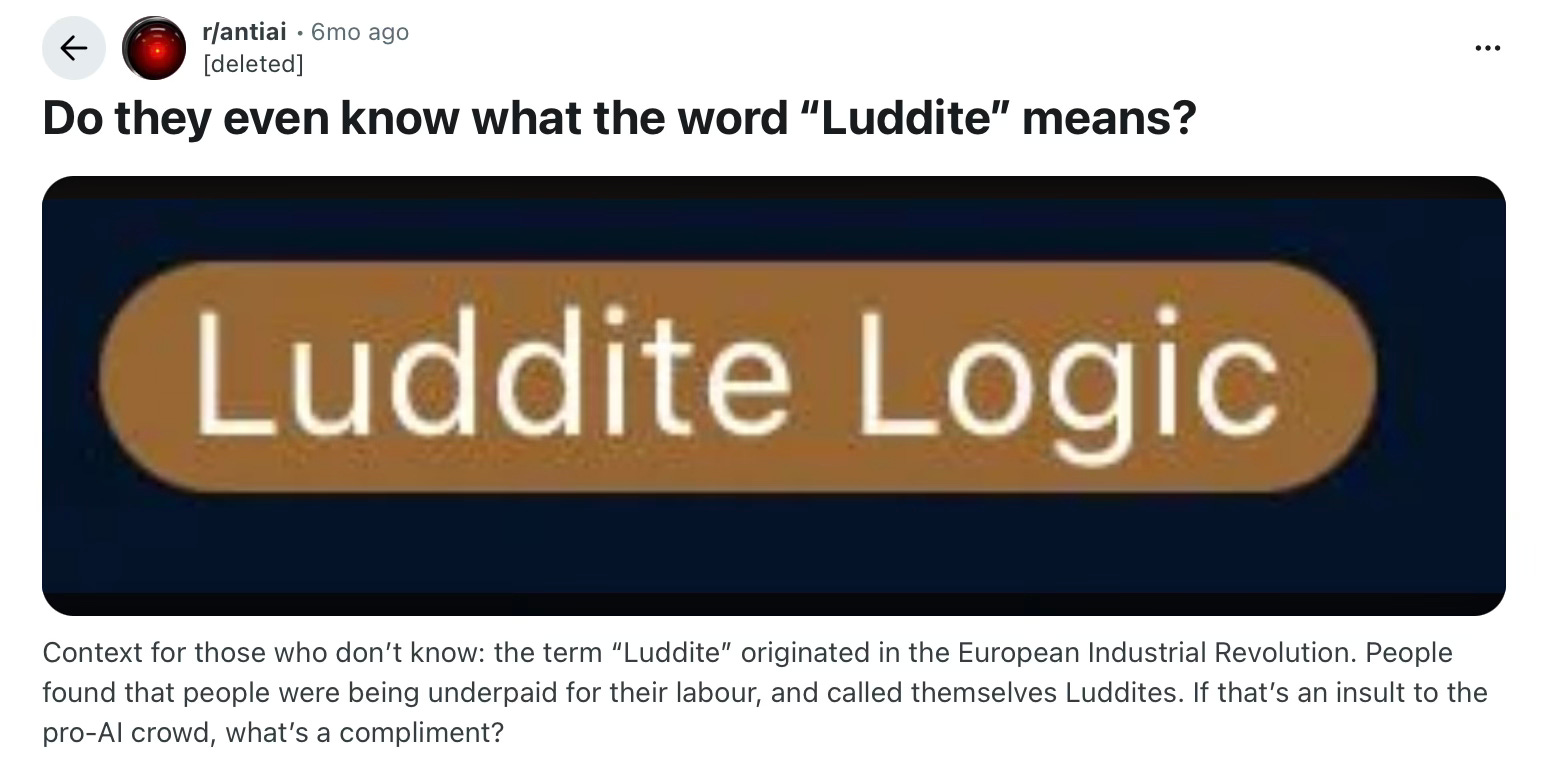
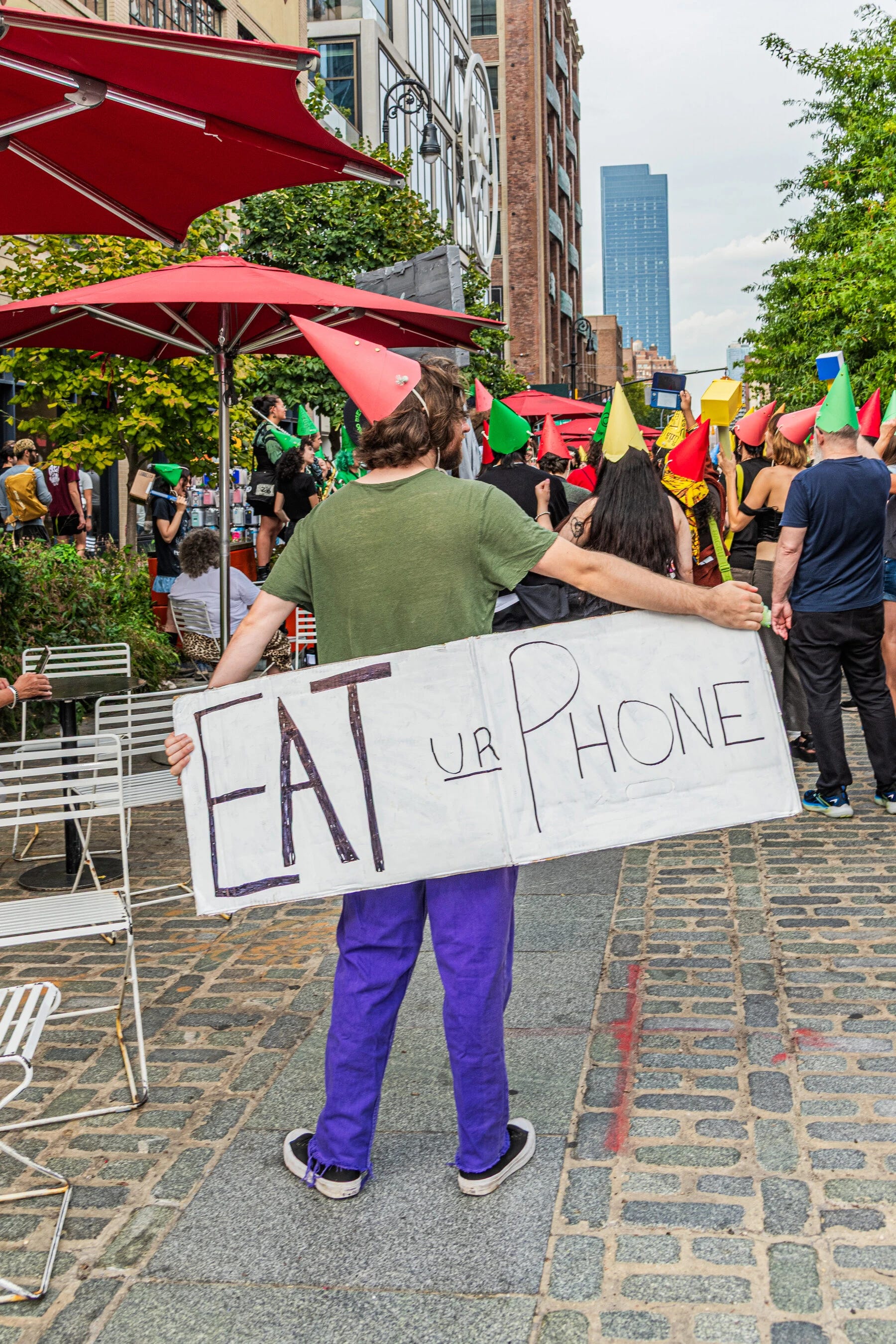
I've been tracking these sorts of articles for months now, and as they pop up with increasing frequency, I find they're getting, well, either odder or more tired. Take The New York Times, who has profiled The Lamp Club — the members of which smash iPads outside Apple stores while wearing gnome hats — and The Reconnect Movement, which builds “human connection habitats” among college students by sitting cross-legged in the quad. Or turn your attention to the luxury fashion space, where runway models carry novels like handbags, Miu Miu hosts literary salons with award-winning writers like Jhumpa Lahiri, and Vogue runs its own book club. All signs seem to indicate that analog is (no pun intended) in vogue.
And then, of course, there's Substack, the lovely digital ecosystem I’m writing to you from. Over the last few months, hundreds (if not thousands) of articles have been written about going analog — why do it, how to do it, what you need to buy to do it — all of them, obviously, written and published and read and promoted online.
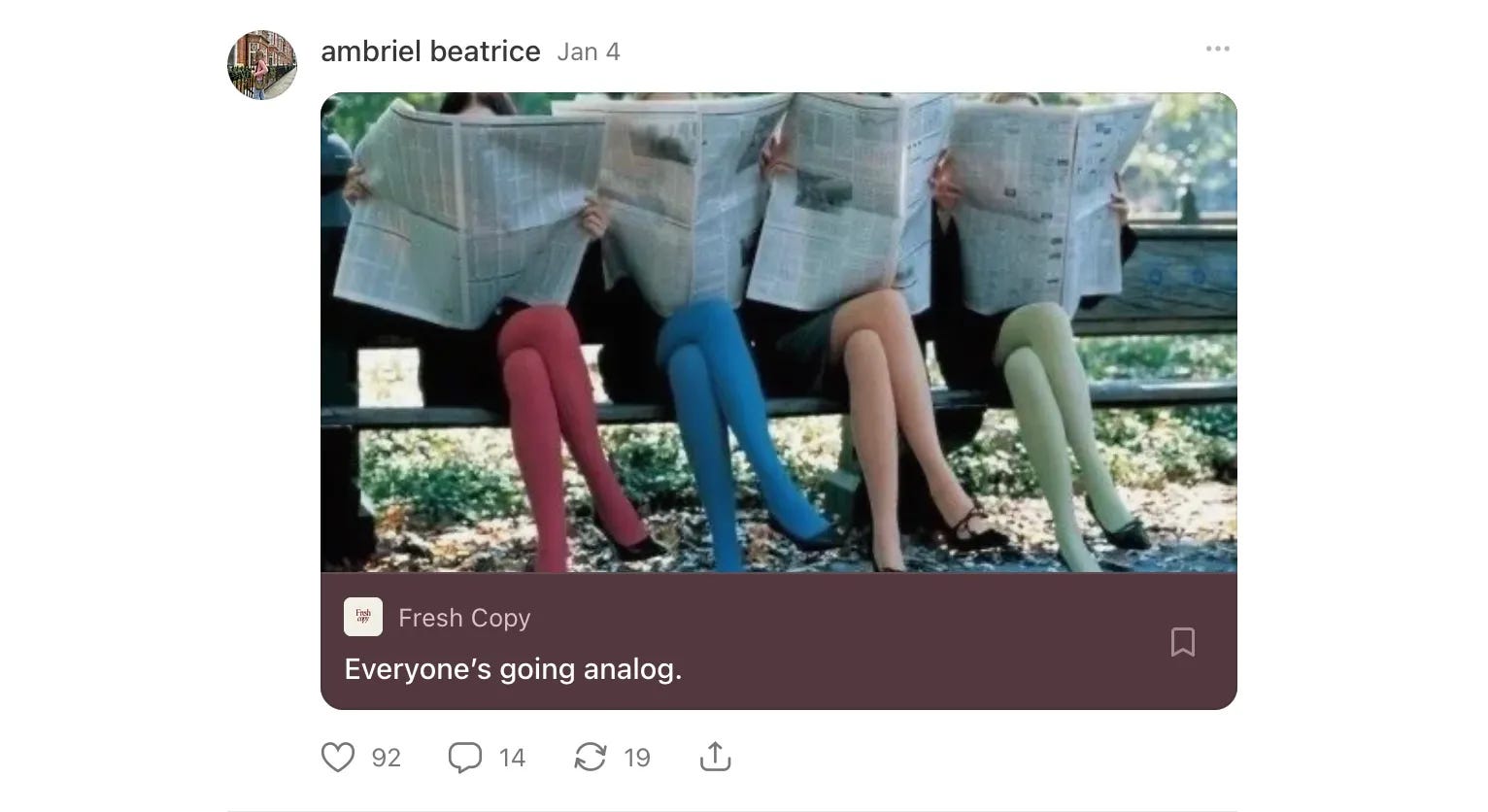
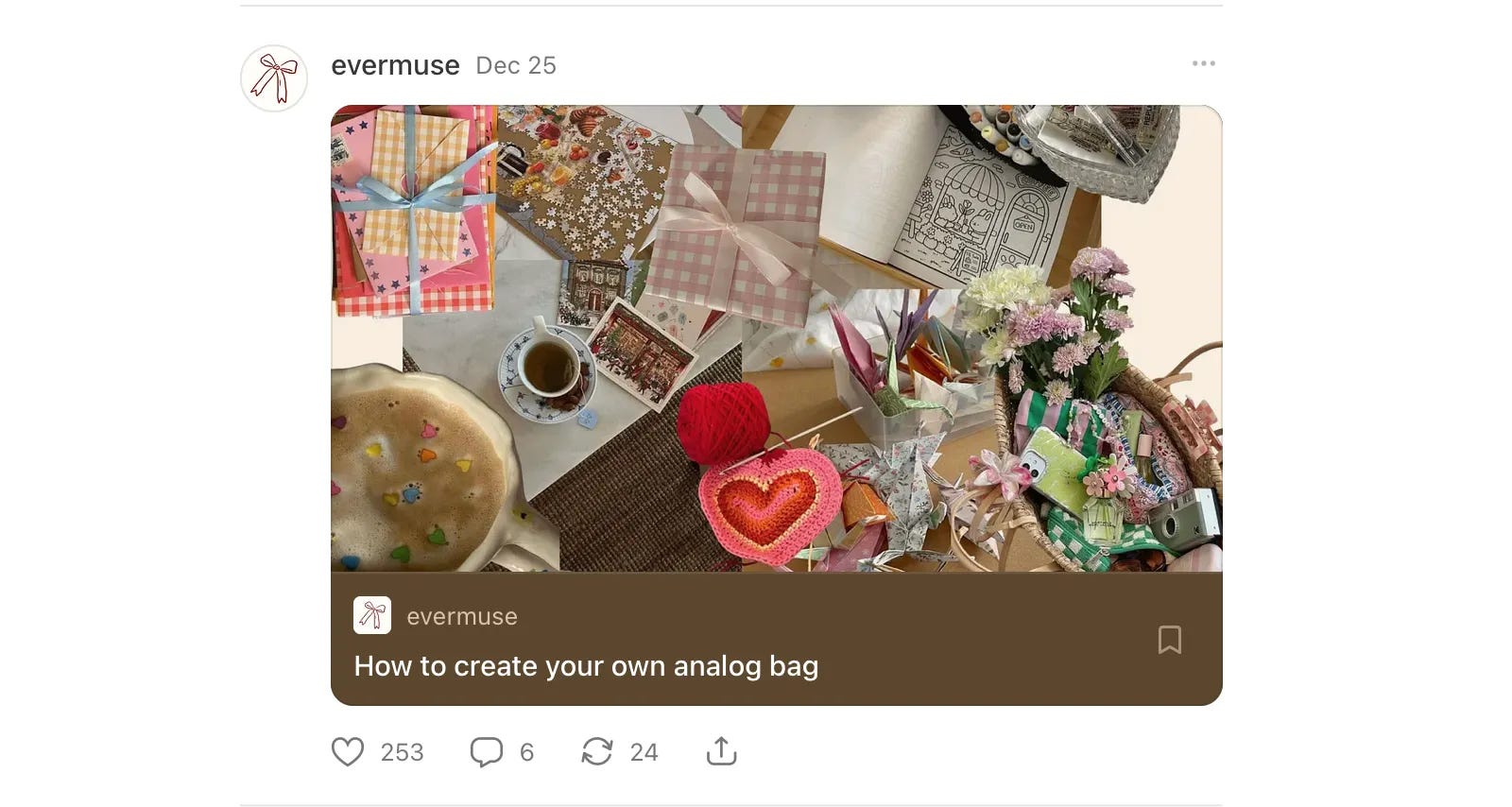
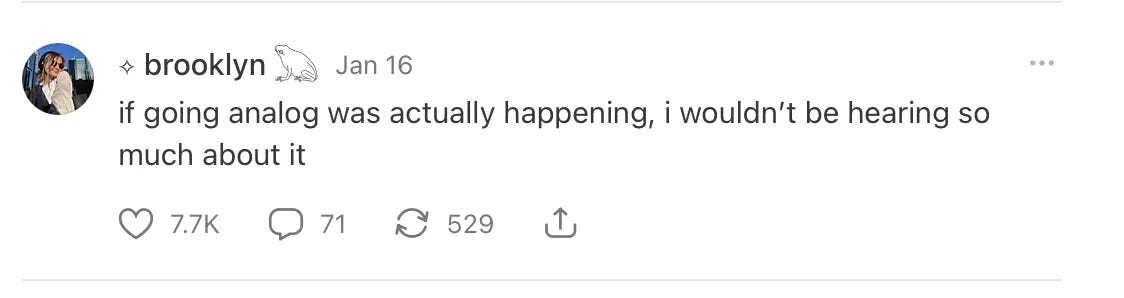
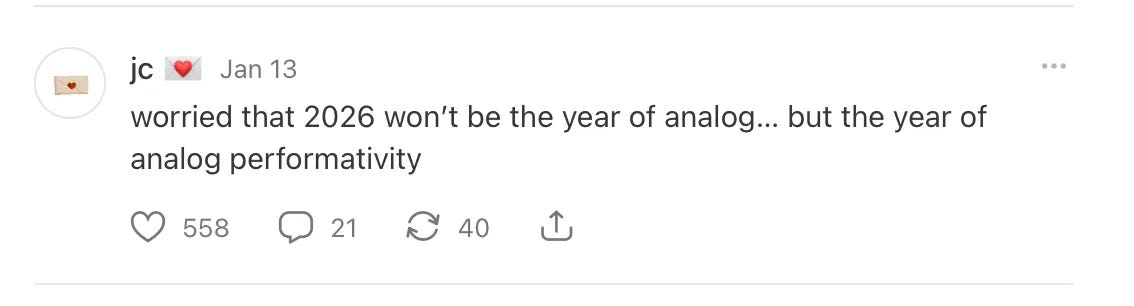
The more I encounter and engage with offline content, the more I find myself asking the same question: Is anyone actually going offline, or is everyone just pretending to? Some of my fellow Substackers share my skepticism. "If going analog was actually happening, i wouldn't be hearing so much about it," one user wrote. Another worried that "2026 won't be the year of analog… but the year of analog performativity." After all, what is smashing iPads on a New York street or coloring in a concrete room in gentrified East London if not a performance?
The So What
As often as I ask myself whether the offline movement is performative, I always ask myself a follow-up question: So what? After all, as the late great William Shakespeare once wrote, “All the world’s a stage, and all the men and women merely players.”
We live in a zero-sum, all-or-nothing world where we think “going offline” means abandoning technology entirely, becoming a “luddite,” buying a typewriter and never looking back. But no one’s actually doing that. Remember that student I said I’d come back to? The one who hand-writes his essays all day and then doomscrolls Instagram at night? That’s the reality most of us are living, negotiating time for analog life in a digital world.
And let’s be honest: we are always performing some version of ourselves. Anyone who’s ever posted a photo of a book they never intend to read knows this well. The mistake is assuming that performance makes something hollow or fake. Often, it’s exactly how change starts.
That’s where the insight for brands and marketers lies, and it’s far more interesting than the obvious headlines about “people want to disconnect” or “offline is fake.” If you repeat an action enough times — even if you do it because you want to look cool in public, even if you post about it, even if the whole reason you did it in the first place was the aesthetic — at some point, that action becomes something you actually do. And then, eventually, it becomes part of who you are.
If we, as brands, as marketers, and most importantly, as people, keep showing up in ways that make space for that kind of transformation, we become the places where our audience can explore, experiment, and ultimately choose their own version of offline life — without ever having to leave the digital world ourselves. And that, I think, is good news for all of us.
✉️ If you haven’t yet subscribed, click the link below so you don’t miss the next one: another round of Link Lariat with Ryan Weicht.
Yes! I always find it ironic how going analog has become an internet aesthetic